
How To Choose Your Bathroom Vanity: Your Step-by-Step Guide
Whether you’re remodeling your entire bathroom, setting up your new home, or just looking to revamp your current bathroom, we can help you pick the perfect vanity for your space!
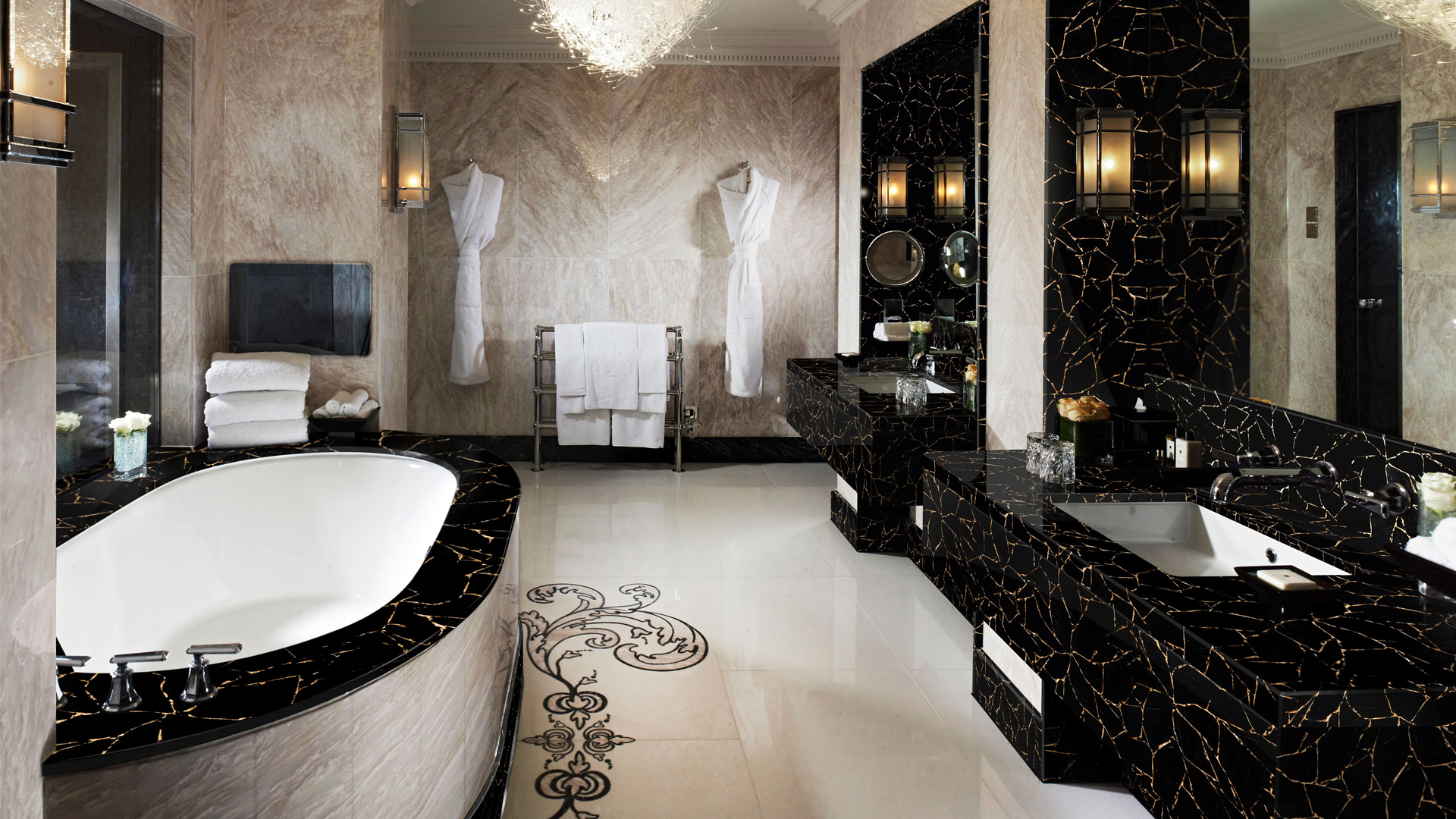
Relaxed and simple, elegant or sophisticated, make your vanity the focal point of your remodel by choosing one that fits your space and your style. From size and color to premium features and more, our eight-step bathroom vanity buying guide will walk you through everything you need to know before your purchase.
1. Picking out "the right one"...
For your remodeling project:
Measure your available vanity space. (Spoiler alert: rule #2 is…measure it again!) When calculating how much space you have to work with, don’t forget about the door clearance—including your shower—so vanity cabinets and drawers can open freely without hitting any doors, mirrors, other cabinets—you get it. Then decide if you want a single or double sink.
Next, think about your ideal storage and countertop space that you require. Is the bathroom for guests or will it be used for your master bathroom? Do you want to hide your toiletries or display them for easy access? Once you know all of this you’ll be well on your way to choosing the right-sized bathroom vanity.
Pro tip: Vanity sizes are identified by width, but you can get all three dimensions by looking at the product specs. The countertop is usually wider than than the actual vanity itself.
2. Single vs. Double
If you’re sharing a bathroom, and have enough room to work with, you may want to double down on two sinks—think master bathroom suite or Jack-and-Jill bathroom. You’ll sacrifice a bit of counter space, but think of what you’ll gain in personal space! Guest bathrooms and tight quarters usually call for one sink. Or—back to a shared space—two single vanities might be the way to go as well.
3. Choose Your Color
From dark, warm, rustic brown to high-gloss white, everyone knows color choices set the mood and reflect your homes style. When choosing a bathroom vanity color, think about how it fits into the overall look of your bathroom and what colors will match the best.
White is the most popular color for bathroom vanities, and it's easy to see why. White is clean, classic, and versatile, and it works well with just about any style. However, if you're looking for something a little different, blue, brown, green, or gray can also be beautiful accent choices. Blue is perfect for creating a calming oasis in your bathroom, while brown can add a warm and inviting touch. If you want to make a bold statement, espresso, green or gray can be stunning options.
4. Pick Your Type
Freestanding or floating? That is the question. Freestanding vanities, which are most common, sit directly on the floor with a solid base or built-in legs. The floating variety (also called “wall mounted”) is affixed directly to the wall, hovering above the floor. This modern mounting is a great pick for smaller bathrooms to give the illusion of more space. Be aware the extra supports will have to be put behind your wall, including any drywall repairs.
Corner vanities also make efficient use of tight quarters—just be sure the adjoining walls come together at a perfect 90-degree angle.
Pro tip: Pick a vanity with a top so that you don’t need to choose (and buy and assemble) a separate counter.
5. Identify Your Style
Most bathroom remodels also include a style update. Not sure which direction to go? We’ll guide you through some popular choices.
- Contemporary: Contemporary design reflects what’s current, which means it’s constantly evolving. Neutral colors, rounded edges, and thoughtful (yet minimal) design elements are markings of today’s contemporary style.
- Modern: Similar to contemporary but distinct in its own way, modern design is rooted in minimalism with clean lines and monochromatic colors. If sleek and simple sounds like your style, a modern vanity might be the way to go.
- Transitional: Extremely versatile, transitional vanities combine traditional and modern designs for a look that’s both fresh and timeless. Blending a classic color or a calming color with modern hardware, for example, will give your bathroom a soothing vibe that will never feel outdated.
- Farmhouse: Cozy, rustic, natural, …these are just a few characteristics of the farmhouse vanity. Its a throwback to simpler times and shows up in distressed wood finishes, hand-hewn accents, and large apron sinks. The result? A warm, welcoming and familiar look where everyone feels at home.
- Midcentury: Derived from 20th century modernism, midcentury vanities favor simple forms that are highly functional. This retro style is usually bold in color, with palettes ranging from muted tones to vibrant hues. It also incorporates natural elements like wood, glass, and stone with synthetic materials to achieve its iconic look.
Small Vanities (18-36 inches)
Ideal for half baths and narrow spaces, these small-but-mighty vanities can pack a surprising amount of storage into a compact space. The most common widths for these petite vanities are 24 inches, 30 inches, and 36 inches.
Medium Vanities (30-60 inches)
Consider this the “Goldilocks” of vanities—jussst right for a kid’s bath, guest bath, or mid-sized primary suite. There are a lot of options in this range (you’ll see 48 inches, and 60 inches most often), with both single and double sinks. More on that in the next step!
Large Vanities (60+ inches)
Go big for master bathroom suites or guest baths where you have a lot of square footage to work with. We’re talking 60 inches, 72 inches, 80 inches and even larger. These will give you plenty of space for all your bathroom essentials, up top and down below.
Pro Tip: Make sure that your vanity will arrive pre-assembled so that you don't have to go through pages and pages of instructions to try and put it all together.
6. Go Premium
Beauty is more than skin deep so here’s a list of our favorite upgrades, from top to bottom, inside and out.
- Base Material: Wood is by far the most common base material, but not all wood is created equal. Solid wood vanities, particularly oak or walnut, are higher-end options made from—you guessed it—natural wood. Its strength and beauty make it a premium choice that will last for years. By contrast, MDF (medium-density fiberboard) is a more affordable option, engineered from composite wood pieces and fiber for durability. It's the second best choice.
- Dovetail Drawers: Built for strength, dovetail drawers use an interlocking joint at each corner to fuse the sides together. The unmistakable puzzle-like design tells you it’s a high-end drawer that can handle heavy use…day after day, year after year. The glued or nailed option results in a much lower quality and shorter wearing period.
- Soft-Close: Designed to slow its roll at the very end, soft-close doors and drawers not only protect the vanity from damage (and your fingers from pinching), its slam-resistant technology that is whisper quiet.
- Concealed Hinges: Sometimes hardware accentuates a vanity; other times you’d rather not see it. Concealed hinges disappear as soon as you close the cabinet door, providing a clean look that doesn’t interfere with the design. They are also self-closing, quiet, and adjustable, making them the high standard in hinge hardware (yes, that’s a thing).
- Built-in Legs: When you’re looking for a freestanding vanity, opt for built-in legs. Straight and simple or carved and curvy, legs add that finishing touch and long-lasting support. Bonus: some have an open shelf at the bottom for rolled towels and handwoven baskets.
- Paint Finish: When choosing color over natural wood tones, the paint finish will tell you how much light it reflects. Because bathrooms are humid, satin is the same as matte and you’ll typically see those finishes. Semi-gloss is shinier than satin, and gloss is as reflective as it gets. All three are bathroom-approved, so it really comes down to your personal preference…although, if you’re asking us, glossier finishes are easier to clean.
- Countertop Material: Style, color, durability, upkeep…there’s a lot to consider when it comes to countertops. Natural stone (marble, granite, and others) is literally rock hard, and the variations in both color and veining make each piece unique. The downside? Most natural stone is porous so it needs a sealant and a little extra TLC.
Pro tip: Some natural stone counters are professionally sealed at the factory, so confirm with the manufacturer before buying. Quartz is an engineered stone made of mostly quartz, with some other materials mixed in. Not only does it look like 100% natural stone, quartz is resistant to moisture, stains, and bacteria, making maintenance a breeze.
Pro Tip: Something else to keep in mind is the counter thickness. Thick countertops (generally more than 1¾”) not only boost durability, they also elevate the look of your vanity.
Backsplash
In addition to the countertop, some vanities come with a backsplash—usually made from the same countertop material. The main purpose of a backsplash is to protect the wall from water damage, but it also completes the look.
Pro Tip: If your vanity doesn’t come with one, you’ll want to add an accenting backsplash to your wall.
7. What’s Included?
Some vanity photos show you a finished look, but not everything pictured is part of the package. Sinks are usually included (but not always!), whereas mirrors and faucets are often sold separately so you can flex your own styling muscle.
Pro tip: If you’re getting a vanity with a countertop, check to see if it’s pre-drilled with one hole or three holes and also measure the diameter of the holes, and the height and length of the faucet to make sure that accommodates your sink, so that you buy the correct kind of faucet.
8. Complete the Look
Once you’ve picked your perfect vanity, it’s time to accessorize. Stick with the same (or complementary) style for a matching look that compliments your look.
With loads of different designs and finishes (polished brass, brushed nickel, matte black, oil rubbed bronze, etc.), your faucet choice has a big impact on the overall look. Just make sure it doesn’t compete with the cabinet pulls or other visible hardware.
You’ll probably need a new mirror or two (if you have double sinks, decide if you want one large mirror or two smaller ones). And while you’re at it, consider soft, glowing light bulbs for your matching vanity lights. Need a medicine cabinet for extra storage? What about a new built-in bathtub or stand-alone soaker tub to hit a full 10 on the remodeling and relaxation scale?
Still feeling overwhelmed?
Bullard Custom Tile & Flooring, Inc. can help you with all of this!